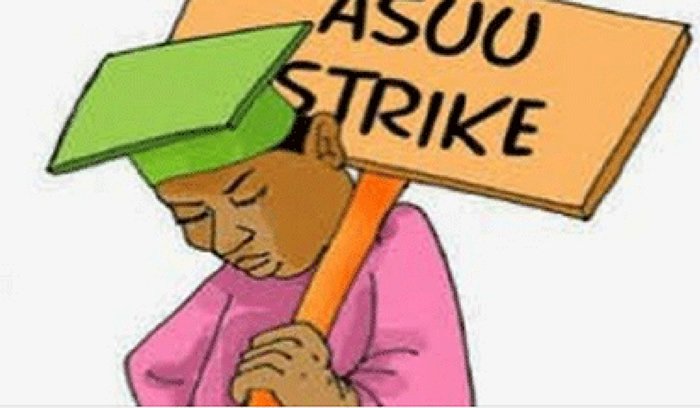
Striking Varsity Unions Lament Salary Stoppage
Striking university staff unions, including the Academic Staff Union of Universities (ASUU) and other university-based unions, have publicly condemned the Federal Government’s ‘no-work-no-pay’ policy and the ongoing withholding of salaries as part of the response to strike actions.
- During recent industrial actions, ASUU members argued that the stoppage of their salaries was meant to weaken their resolve, making life difficult for lecturers and their families but would not force them to call off the strike.
- The financial impact of the policy — which withholds pay from lecturers who withdraw their services — has drawn sharp criticism from academic unions and labour allies, who say it amounts to economic pressure rather than constructive negotiation.
In addition to ASUU, other sector unions such as the Joint Health Sector Unions (JOHESU) have also faced salary stoppages due to industrial actions, leading to protests by university health workers.
Contents


Why the Salary Stoppage Has Provoked Outrage
1. ‘No Work, No Pay’ Enforcement
The Federal Government directed that salaries be withheld for staff participating in strikes, including ASUU lecturers. This policy has been criticized by union leaders who argue it penalizes workers rather than encouraging dialogue.
2. Financial Hardship for Academics
Lecturers and other university staff have reported financial stress due to withheld salaries and delayed pay, especially as many rely on regular monthly income to support families.
3. Broader Dissatisfaction with Funding and Agreements
ASUU and allied unions contend that long-standing agreements with the government on salaries, allowances, and university funding remain inadequately implemented. Protests and work stoppages have been used to push for full fulfillment of those commitments, including the implementation of the 2009 FGN-ASUU agreement.
4. Health Sector Parallel
At teaching hospitals such as the University of Ilorin Teaching Hospital (UITH), health workers under union banners have protested the stoppage of their wages amid strikes, reinforcing the nationwide labour discontent over salary policies.
What the Unions Are Saying
- Union leaders insist that salary stoppage is punitive and undermines fair labour relations.
- ASUU branch chairs have called for meaningful implementation of past agreements, proper negotiation on funding structures, and reversal of strict wage withholding to allow for continued dialogue.
- Some branches have warned of additional protest actions or expanded strike activities if resolutions on salaries and university welfare are not reached.
Impact on Education
The dispute has led to:
- Grounding of academic activities in many federal universities during strike periods.
- Delayed academic calendars and disrupted student progression.
- Growing frustration among staff and students alike over unresolved demands.
Related Article: How much is EKSU School Fees for Fresher 2022/2023 session
Summary
The protest by striking varsity unions is rooted in frustration over salary stoppage, delayed payments, and unmet funding agreements, with unions dismissing punitive pay suspension policies and urging the government to address core concerns. This labour tension continues to affect the functioning of Nigeria’s public universities and allied tertiary institutions.