ACID FUME EXTRACTION SYSTEM
Are you interested in knowing more about acid fume extraction system? If so, then this article is for you. Feel relaxed and make sure you read to the end.
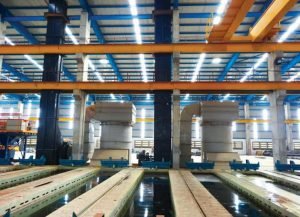
Acid fume capture and abatement is a significant aspect in every hot dip galvanizing plant. Acid Fume Extraction system absorbs the acidic/toxic fumes from the pickling tanks and thereby prevent the toxic fumesfrom spreading on the floor and from causing pollution.



Quick question on Acid Fume Extraction System
What is a fume extraction system?
A fume extractor is a system that utilizes a fan using negative draft to pull fumes and dust particles in to a contained filtration system. This process removes hazardous particles from the air.
What is the extraction system?
Extraction systems are systems that remove harmful air pollutants. Different extraction systems are required depending on the application. As well as mobile and stationary dust extractors for numerous dust types, there are oil mist separators for oil mist and chip separators for chips, for example.
Acid Fume Extraction System
Acid Pickling, Degreasing, Electroplating, Anodizing.
Acid fume extraction system is used to take the toxic/acidic fumes away from pickling tanks and prevent them from spreading on the shop floor and cause pollution. The acid fume scrubbing system prevents release of aggressive and harmful vapors in the environment. Scrubbing liquid absorbs the vapors and gases and are returned to the process. Effective scrubbing and guaranteed compliance with emission limits of the acid fume neutralization system can only be achieved through an individually designed fume extraction system optimized on the particular application.
The fume scrubbers are made to absorb toxic particles from air streams using water to scrub the air. A liquid solvent absorbs the fume pollutants by chemical or physical ways. A downwards blow from the tank with makeup water addition removes polluting substances before they precipitate.
Some of the advantages of an acid fume extraction plant are:
- Safety to staff and workers
- Protection to production equipment
- Maintaining cleanliness in work area
- Increased productivity
- As per emission regulation
- Reduced risk of accident
- Better visibility in galvanizing shop
- Prevention of unpleasant odours
- Operation without waste water
- PH measurement
ACID FUME EXTRACTION SYSTEM
Fume Extration System For :
Hot dip galvanizing plants
Pipe pickling plants
Stainless steel pickling Plants
Coil pickling lines
Electroplating / Anodizing plants
White fume extraction system
Surface treatment plants
Metal finishing industries
Wire pickling lines
White fume extraction for zinc kattle
READ ALSO:NCAT APPLICATION FORM
Scrubbing Unit Advantages :
- Increased productivity
- Low production cost
- Stop corrosion of crane & roof structure
- Better safety
- Fumes are condensed and recycled
- Optimizing material
- As per emission regulations
- Clean working area (Surrounding) good housekeeping
- Ensure hygienic working atmosphere
- High employees acceptance
- Reducing waste disposal
- Trun – Key execution of system extraction of corrosive fumes and gases from pickling tanks and zinc kattle.
- Supply a range of different plants designed for HCL, H2SO4; HF, HNO3 and mixed acids.
- High separation efficiencies of 1 micron particulate and gaseous emission are achievable.
- Customized process equipment for metal finishing industries.
Corrotech offers complete engineering solution for fume extraction that precisely suits your fume removal requirements, volume, and budget. From suggesting you the best-fit extraction system setup to installation and commissioning assistance, we have got you covered.
Equipment Design
- Designed for ZERO discharge and acid neutralization
- Equipped with powerful, energy-efficient fans and high-quality scrubbing media
- Packing media includes rings and saddles in various materials
- Wet spray system to remove toxicity
- Non-clogging spray nozzles for wetting packing
Benefits and Cost Savings
- Minimize risk and health hazard
- Increase life of roof structure and cranes by eliminating corrosion
- Lower plant maintenance by reducing failures in electrical components
- Prevents unpleasant odor
FAQs about Acid Fume Extraction Systems:
What is an acid fume extraction system?
An acid fume extraction system is a specialized ventilation setup designed to remove harmful acidic vapors and fumes generated during chemical processes, laboratory work, or industrial applications. It protects workers and equipment from exposure to corrosive gases like hydrochloric acid (HCl), sulfuric acid (H₂SO₄), and nitric acid (HNO₃).
Where are acid fume extraction systems commonly used?
These systems are widely used in:
-
Chemical and pharmaceutical laboratories
-
Metal plating and electroplating industries
-
Etching and semiconductor manufacturing
-
Laboratory schools and research institutions
-
Any environment where corrosive acid vapors are released
How does an acid fume extraction system work?
The system works by:
-
Capturing the fumes at the source using hoods, ducts, or enclosures
-
Transporting the contaminated air through corrosion-resistant ducts
-
Filtering or neutralizing the acid vapors using scrubbers, chemical filters, or wet scrubbers
-
Discharging cleaned air safely into the atmosphere or recycling it if required
What are the benefits of using an acid fume extraction system?
-
Protects workers from respiratory irritation and long-term health hazards
-
Prevents corrosion of equipment and infrastructure
-
Maintains compliance with occupational safety regulations
-
Improves laboratory or industrial safety and air quality
What factors should be considered when selecting an acid fume extraction system?
-
Type of acid fumes generated (strength, corrosiveness)
-
Volume of fumes and air flow requirements
-
Duct material (corrosion-resistant options like PVC, polypropylene, or stainless steel)
-
Filtration/neutralization method (wet scrubbers, activated carbon, or chemical filters)
-
Maintenance and accessibility for filter replacement or duct cleaning